 English
 Español
  Português
  русский
  Français
  日本語
日本語  Deutsch
  tiếng Việt
  Italiano
  Nederlands
  ภาษาไทย
  Polski
  한국어
한국어  Svenska
  magyar
  Malay
Malay  বাংলা ভাষার
  Dansk
Dansk  Suomi
Suomi  हिन्दी
  Pilipino
  Türkçe
  Gaeilge
  العربية
  Indonesia
  Norsk
Norsk  تمل
تمل  český
český  ελληνικά
  український
  Javanese
  فارسی
فارسی  தமிழ்
தமிழ்  తెలుగు
  नेपाली
  Burmese
  български
  ລາວ
ລາວ  Latine
  Қазақша
  Euskal
  Azərbaycan
  Slovenský jazyk
  Македонски
  Lietuvos
  Eesti Keel
  Română
  Slovenski
  मराठी
मराठी  Srpski језик

Call Us
+86-574-87111165
Email Us
Office@nbzjnp.cn
How to Choose a Memory Foam Seat Cushion That Truly Improves Comfort and Posture?
A high-quality Memory Foam Seat Cushion has become an essential ergonomic upgrade for office workers, long-distance drivers, students, and anyone experiencing pressure-related discomfort from prolonged sitting. As awareness grows around spinal alignment and pressure management, the demand for supportive seat cushions continues to increase.
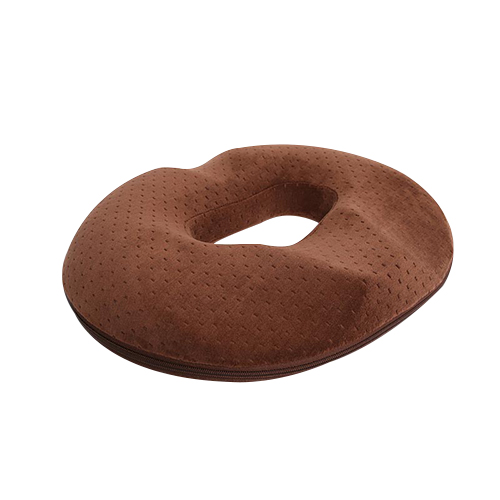
Key Product Parameters
| Parameter | Description |
|---|---|
| Material | High-density slow-rebound memory foam with ergonomic pressure-relief structure |
| Density | 45D–60D supportive memory foam optimized for long-term sitting |
| Cover Fabric | Breathable mesh or velvet with anti-slip bottom |
| Size | Approx. 17–18 in (length) × 13–15 in (width) × 2.5–3.5 in (thickness) |
| Weight Capacity | Suitable for daily seating up to 200–300 lbs depending on model |
| Shape | U-shaped or contoured design for coccyx relief and pressure distribution |
| Features | Removable washable cover, ventilation channels, non-slip base |
| Intended Use | Office chairs, car seats, wheelchairs, home seating, travel |
How Does a Memory Foam Seat Cushion Provide Ergonomic Support?
A Memory Foam Seat Cushion improves sitting posture and reduces discomfort by using high-density viscoelastic material that responds to heat and body weight. As it molds to the user's contours, it redistributes pressure evenly across the hips and thighs, reducing stress on concentrated points such as the coccyx. This contouring behavior is essential because it reduces the load on the lower spine, promotes natural alignment, and lowers the risk of developing chronic pressure-related pain.
Ergonomic seat cushions also play a critical role in maintaining spinal curves. When sitting on a hard surface, the pelvis often tilts backward, creating strain in the lumbar region. A contoured cushion helps maintain neutral pelvic positioning, allowing the spine to remain in its natural S-curve. This posture-supporting advantage helps reduce fatigue and supports overall musculoskeletal health.
In addition, well-engineered memory foam improves circulation. By reducing concentrated pressure under the thighs, it enhances blood flow that might otherwise be restricted. This helps minimize numbness and tingling during long sitting sessions. As remote work becomes a long-term trend worldwide, the importance of proper seating support continues to grow, making Memory Foam Seat Cushions a top ergonomic choice for daily use.
How to Compare Memory Foam Seat Cushions Against Other Cushion Types?
Selecting the right cushion means understanding the differences between memory foam, latex, gel, and basic foam alternatives. Memory foam stands out due to its slow-rebound technology and pressure-sensing properties. While gel cushions often excel in cooling performance, they may not provide the same contouring effect or long-term support. Latex cushions are bouncy and durable but fall short when it comes to cradling the hips.
Memory foam’s advantage lies in its ability to distribute body weight evenly while maintaining stability. A well-made cushion adapts to the body without collapsing, delivering consistent support across hours of continuous sitting. For long-distance drivers, the slow-rebound foam reduces vibration impact; for office users, it provides reliable pressure relief even during extended work shifts.
Another key factor is durability. Memory foam cushions in the 45D–60D density range offer strong structural integrity, resisting flattening over time. This ensures the cushion maintains its supportive properties even after months or years of everyday use. When compared with traditional sponge cushions that deform quickly, the difference is significant.
Common Questions About Memory Foam Seat Cushions
Q: How long does a high-quality Memory Foam Seat Cushion last with daily use?
A: A cushion made with high-density memory foam typically lasts 1–3 years depending on usage habits, weight distribution, and environmental factors. High-density material prevents rapid shape loss, allowing the cushion to maintain ergonomic support far longer than traditional foam seat pads.
Q: Can a Memory Foam Seat Cushion help with sciatica and lower back pain?
A: It can assist by reducing pressure on the sciatic nerve, improving posture, and supporting pelvic alignment. While it is not a medical treatment, many users experience noticeable comfort improvements and reduced strain on the lower spine when using a properly contoured cushion.
How Do the Benefits of Memory Foam Seat Cushions Extend Beyond Basic Comfort?
The advantages of Memory Foam Seat Cushions encompass multiple areas of health, productivity, and lifestyle. Beyond simple comfort enhancements, the strategic support can significantly influence everyday efficiency.
Posture Correction and Pain Relief
A cushion that supports natural spinal alignment helps users maintain proper posture effortlessly. This reduces the risk of developing chronic back pain, particularly for those who sit more than six hours a day. Coccyx-cutout cushions prevent compression of the tailbone, allowing users to sit longer without soreness.
Enhanced Work Efficiency
When the body feels supported, focus improves. Discomfort from poor seating can interrupt workflow constantly. Ergonomic cushions reduce physical distractions, enabling longer periods of concentration and productivity. Many employers have begun integrating seat cushions into workplace wellness programs due to measurable benefits in employee comfort and output.
Versatile Multi-Environment Use
A Memory Foam Seat Cushion is not limited to office chairs. It transitions seamlessly between cars, classrooms, stadium seating, home settings, wheelchairs, and travel scenarios. For users who frequently commute or travel long distances, the cushion provides consistent support across different environments.
Hygiene and Maintenance Advantages
Most cushions feature removable and washable covers, ensuring a clean seating surface at all times. Breathable mesh fabrics promote airflow, reducing heat accumulation. The non-slip bottom ensures stability even on slick chair surfaces.
How Will Memory Foam Seat Cushion Technology Evolve in the Future?
As ergonomic awareness grows globally, the Memory Foam Seat Cushion category continues to evolve in terms of materials, design, and smart functionality. Several future trends are emerging that will shape the next generation of seating solutions.
Upgraded Memory Foam Materials
Manufacturers are moving toward hybrid formulations that combine memory foam with cooling gel particles or airflow-enhanced structures. These innovations aim to improve heat dissipation and maintain consistent comfort in warm climates or extended sitting sessions.
Smart Sensor Integration
Future seat cushions may incorporate pressure sensors that monitor posture and send alerts or suggestions to encourage position adjustments. Such systems could integrate with mobile apps to support personalized ergonomic tracking.
Sustainability Considerations
As environmental awareness rises, eco-friendly foam formulas and recyclable covers will become more common. Advances in plant-based memory foam components are expected to reduce chemical dependency and environmental impact.
Custom-Fit Ergonomic Designs
New designs are shifting toward personalized fit models tailored to specific body shapes, weight ranges, or professional usage scenarios. This includes models optimized for gamers, truck drivers, office workers, pilots, and medical-use wheelchairs.
Global Trends in Ergonomics
Work-from-home culture, increased screen time, and rising health consciousness continue to drive demand for supportive seat cushions. The Memory Foam Seat Cushion is projected to remain a core ergonomic accessory in global households, workplaces, and transportation sectors.
Understanding how to choose and evaluate a Memory Foam Seat Cushion becomes increasingly important as more people recognize the impact of proper seating on long-term health and productivity. By examining material density, ergonomic contouring, durability, and versatility, users can make informed decisions based on professional-level criteria. As technology evolves, new features will continue enhancing comfort, breathability, and intelligent ergonomic support.
Among many ergonomic brands, Zhehe continues to focus on developing high-quality Memory Foam Seat Cushions with refined contouring, durable foam materials, and thoughtful design. Users seeking reliable support for work, travel, and daily comfort improvement are encouraged to explore solutions tailored to their needs. For further details, inquiries, or customized product discussions, contact us anytime.
Send Inquiry


X
We use cookies to offer you a better browsing experience, analyze site traffic and personalize content. By using this site, you agree to our use of cookies.
Privacy Policy
News
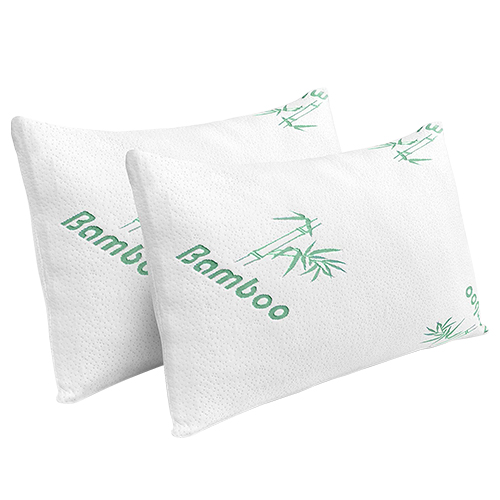 How to choose a suitable memory pillow2021/01/04
Guide: Memory pillows are becoming more and more common. Due to their advantages of slow rebound, decompression, neck protection, and ventilation, they have become the first choice for many people when buying pillows. However, many memory pillows currently on the market do not meet the quality stand......
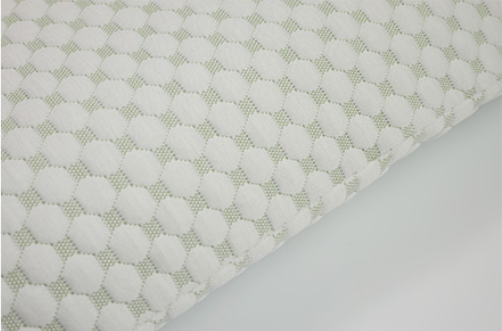 How Do Density, ILD, and Rebound Time Determine Summer Rattan Mat Foam Memory Pillow Quality?2026/09/15
Memory foam pillows vary widely in performance, and the differences are not always visible from the outside. Two pillows may look identical in shape and size, yet perform very differently after months of use. The key lies in measurable technical indicators: density, indentation load deflection (ILD......