 English
 Español
  Português
  русский
  Français
  日本語
日本語  Deutsch
  tiếng Việt
  Italiano
  Nederlands
  ภาษาไทย
  Polski
  한국어
한국어  Svenska
  magyar
  Malay
Malay  বাংলা ভাষার
  Dansk
Dansk  Suomi
Suomi  हिन्दी
  Pilipino
  Türkçe
  Gaeilge
  العربية
  Indonesia
  Norsk
Norsk  تمل
تمل  český
český  ελληνικά
  український
  Javanese
  فارسی
فارسی  தமிழ்
தமிழ்  తెలుగు
  नेपाली
  Burmese
  български
  ລາວ
ລາວ  Latine
  Қазақша
  Euskal
  Azərbaycan
  Slovenský jazyk
  Македонски
  Lietuvos
  Eesti Keel
  Română
  Slovenski
  मराठी
मराठी  Srpski језик

Call Us
+86-574-87111165
Email Us
Office@nbzjnp.cn

How Do Density, ILD, and Rebound Time Determine Summer Rattan Mat Foam Memory Pillow Quality?
Memory foam pillows vary widely in performance, and the differences are not always visible from the outside. Two pillows may look identical in shape and size, yet perform very differently after months of use. The key lies in measurable technical indicators: density, indentation load deflection (ILD), rebound time, and material composition. Zhehe manufactures the Summer Rattan Mat Foam Memory Pillow with a 50D memory foam core and ILD of 8-10 LBS, specifications that directly determine how the pillow performs in daily use. Understanding these indicators helps buyers and end users evaluate quality beyond surface appearance.
Density: The Foundation of Memory Foam Durability
What Density Measures
Density refers to the weight of foam per cubic meter, expressed in kilograms per cubic meter (kg/m³) or as a "D" rating. A 50D memory foam contains 50 kilograms of foam material per cubic meter. Higher density generally indicates more foam material and less air, which translates to greater durability and better resistance to sagging over time.
Why 50D Matters
The Summer Rattan Mat Foam Memory Pillow uses 50D memory foam. This density falls within the range used for quality bedding products. Lower-density foams may feel comfortable initially but tend to lose shape and support within months. The 50D construction in this pillow is designed to maintain its contouring properties through extended use, supporting the head and neck consistently without flattening.
Density and Weight Relationship
The pillow weighs 1000g at a standard size of 60x40x12cm. This weight is consistent with a 50D foam core of these dimensions. Buyers can use weight as a quick verification method: if a pillow of the same dimensions weighs significantly less, the density may be lower than specified.
ILD: Measuring Softness and Support Balance
What ILD Means
ILD stands for Indentation Load Deflection. It measures the force required to compress a foam sample by a specific percentage, typically 25%. Lower ILD values indicate softer foam, while higher values indicate firmer foam. For memory foam pillows, ILD typically ranges from 8 to 20 LBS.
The 8-10 LBS Range
The Summer Rattan Mat Foam Memory Pillow specifies ILD of 8-10 LBS. This range produces a soft, yielding feel that allows the foam to contour closely to the head and neck. The low ILD is suitable for users who prefer a plush surface that distributes pressure rather than pushing back firmly. For side sleepers and back sleepers who need contouring support without excessive firmness, this ILD range provides an appropriate balance.
Temperature Sensitivity
Memory foam is temperature-sensitive. At cooler temperatures, the foam feels firmer. As it warms from body heat, it softens and contours more readily. The 8-10 LBS ILD rating is measured under standard laboratory conditions. In actual use, the pillow will feel softer in warm environments and firmer in cool rooms. This characteristic is inherent to memory foam and should be considered when evaluating suitability for different climates.
Rebound Time: The Slow-Recovery Characteristic
What Rebound Time Indicates
Rebound time measures how long the foam takes to return to its original shape after compression. Quality memory foam typically recovers within 3 to 5 seconds. This slow recovery is what allows the foam to distribute pressure evenly rather than pushing back immediately.
Practical Implications
For the Summer Rattan Mat Foam Memory Pillow, the slow rebound characteristic means the pillow gradually adapts to the user's head position. When the user shifts during sleep, the foam slowly adjusts, maintaining contact and support. This reduces the sensation of the pillow pushing back against the head, which can cause discomfort with faster-recovering foams.
Verification Method
Buyers evaluating samples can perform a simple rebound test. Press the palm firmly into the pillow surface, hold for five seconds, then release. The foam should recover gradually, taking several seconds to return to its original height. If recovery is nearly instant, the foam may not be genuine memory foam or may have a low-density formulation.
Material Composition and Construction
Core Material
The pillow uses 100% premium quality memory foam as the filling material. This is the primary determinant of contouring performance and durability. The 50D density and 8-10 LBS ILD specifications describe the core foam characteristics.
Outer Cover Options
The outer cover is available in multiple fabric compositions: 100% polyester, 40% bamboo blended with 60% viscose, 40% bamboo blended with 60% polyester, and 80% cotton blended with 20% polyester. The rattan mat surface on the summer-oriented version provides a cool, breathable sleeping surface. All outer covers are removable and washable.
Inner Cover
The inner cover uses 92% polyester and 8% spandex, providing a stretchable protective layer around the foam core. This inner cover allows the foam to compress and recover freely while protecting it from direct contact with the outer cover.
Ergonomic Design and Sleep Position Compatibility
Contouring Support
The memory foam core molds to the shape of the head and neck, reducing pressure points. For back sleepers, the foam fills the natural curve of the cervical spine. For side sleepers, it cushions the shoulder area while maintaining head alignment. For stomach sleepers, the soft ILD allows the head to rest without excessive elevation.
Thickness and Dimensions
The standard size of 60x40x12cm provides adequate surface area for most adult users. The 12cm thickness offers sufficient foam depth for contouring without being excessively tall. Custom sizes are available for buyers with specific dimensional requirements.
Quality and Safety Verification
Certifications
The Summer Rattan Mat Foam Memory Pillow meets relevant safety standards and is free from harmful chemicals. It is hypoallergenic, making it suitable for users with allergies or sensitivities to dust mites or other common allergens.
Traceability and Testing
Buyers should request material certificates and safety test reports from suppliers. For memory foam products, relevant documentation includes foam density verification, ILD testing reports, and chemical safety compliance certificates. These documents confirm that the product meets specified technical parameters.
Practical Evaluation Checklist for Buyers
Density Verification
Weigh the pillow and compare against the expected weight for its dimensions. The 1000g weight at 60x40x12cm is consistent with 50D foam. Significant deviations suggest density discrepancies.
Rebound Test
Press the foam for five seconds and observe recovery time. Genuine memory foam recovers gradually over 3-5 seconds.
ILD Assessment
Evaluate firmness by pressing the palm into the surface. The 8-10 LBS ILD range produces a soft, yielding response without bottoming out.
Cover Construction
Check that the outer cover is removable and washable. Verify the rattan mat surface provides a cool, breathable feel. Examine stitching quality and zipper function.
Odor Check
New memory foam may have a slight odor from manufacturing. Allow the pillow to air for 24-48 hours. Persistent or strong chemical odors may indicate low-quality materials.
Contact Zhehe for detailed specifications, material certificates, or sample requests for the Summer Rattan Mat Foam Memory Pillow.
Send Inquiry


X
We use cookies to offer you a better browsing experience, analyze site traffic and personalize content. By using this site, you agree to our use of cookies.
Privacy Policy
News
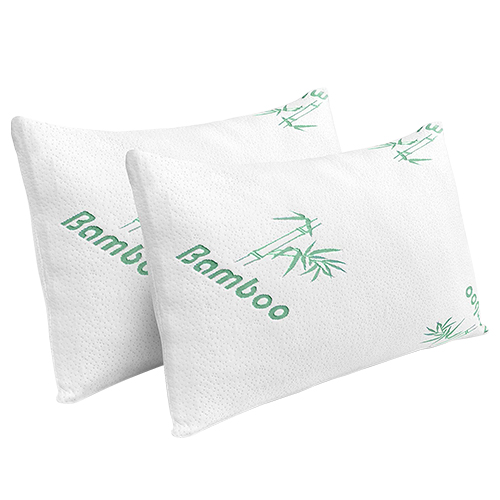 How to choose a suitable memory pillow2021/01/04
Guide: Memory pillows are becoming more and more common. Due to their advantages of slow rebound, decompression, neck protection, and ventilation, they have become the first choice for many people when buying pillows. However, many memory pillows currently on the market do not meet the quality stand......
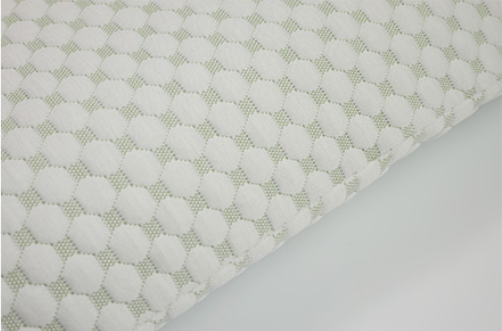 How Do Density, ILD, and Rebound Time Determine Summer Rattan Mat Foam Memory Pillow Quality?2026/09/15
Memory foam pillows vary widely in performance, and the differences are not always visible from the outside. Two pillows may look identical in shape and size, yet perform very differently after months of use. The key lies in measurable technical indicators: density, indentation load deflection (ILD......